
Welding is a craft that requires precision, skill, and an unwavering commitment to safety. Whether you are joining thermoplastics or fusing metals like stainless steel pipes, the potential for serious injury is always present. Protecting yourself is the most important part of any welding project.
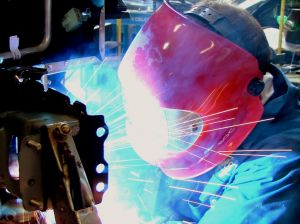
Before you ever strike an arc, putting on the right gear is non-negotiable. Proper PPE is your first and best line of defense against common welding hazards like intense light, sparks, and heat.
The intense ultraviolet (UV) and infrared (IR) radiation from a welding arc can cause severe and permanent eye damage, a condition known as arc eye or welder’s flash. Never weld without a proper face shield, helmet, or goggles fitted with correctly shaded filter lenses. These specialized lenses are designed to block harmful rays and protect your vision.
Welding is a noisy process, and the sparks it produces can travel unexpectedly. A flying spark can easily puncture an eardrum, leading to permanent hearing loss. Always wear ear protection, such as earplugs or earmuffs, to shield your ears from both loud noises and hot debris.
Your entire body needs protection from heat, sparks, and UV radiation. Always wear welding gloves made from durable, flame-resistant material to protect your hands. For your body, choose long-sleeved shirts and pants made of non-flammable materials like denim or specially treated cotton. Closed-toe shoes, preferably leather work boots, are also essential to protect your feet from falling objects and sparks.
Your responsibility for safety extends beyond yourself. People working near your station are also at risk from the heat and light your work produces. Use welding screens or barriers to contain sparks and block the arc’s intense light, creating a safer area for everyone.
Your immediate environment plays a critical role in preventing accidents. A few simple checks can dramatically reduce the risk of electrocution, fire, and other common hazards.
Water and electricity are a deadly combination. Before you begin, inspect your work area and ensure it is completely dry. Puddles of water near your welding machine, foot pedal, or power cords create a severe risk of electrocution. Make sure the main power box, torch, and all connections are dry before you power on.
Fire prevention is equally important. Remove all flammable materials from your welding area. This includes liquids like oil and solvents, as well as combustible solids like wood, paper, and certain plastics. Keep a fire extinguisher rated for Class A, B, and C fires nearby and know how to use it.
Never weld on parts that have been cleaned with chlorinated hydrocarbon solvents, such as brake cleaner. When the residue from these cleaners is exposed to the UV light from welding, it can create highly toxic phosgene gas. Inhaling this gas can be fatal. Always ensure surfaces are properly prepared and free from chemical contaminants before you start. Similarly, avoid welding on painted parts unless you have completely removed the surface coating first.
Welding fumes and gases are a serious health risk that you cannot afford to ignore. Inhaling these byproducts can cause both short-term illness and long-term respiratory damage. Proper ventilation is crucial for maintaining clean air in your workspace.
There are two main types of ventilation to consider:
As a rule, always keep your head out of the welding plume. This simple positional adjustment can significantly reduce the amount of fumes you inhale.
Beyond the major safety categories, several daily habits contribute to a long and safe welding career.
Safety is not just a list of rules; it’s a mindset. By making these practices a routine part of every welding project, you protect your health and ensure you can continue doing the work you love for years to come.
Detroit Nipple Works would like to remind you to please refrain from taking your health and personal safety for granted, no matter how many years you have been welding. Also, don’t hesitate to contact us to pick up some great, quality products to weld!