
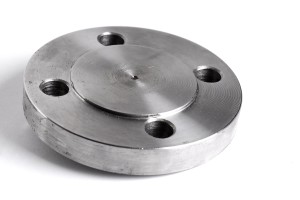
When a piping system needs to be completely closed or isolated, blind flanges provide a dependable solution. Unlike many other types of flanges, a blind flange is a solid disc with no center opening for fluid or gas to pass through. It is bolted to a mating flange to create a secure closure at the end of a pipe, valve, vessel nozzle, or other flanged connection.
At Detroit Nipple Works, we understand the importance of selecting the right flange for your piping system. Blind flanges can be used for permanent closures, temporary isolation, maintenance access, testing, and future system expansion.
A blind pipe flange is designed to block flow through a piping system. Because there is no bore or opening through the center, the flange creates a solid termination point when properly installed with the appropriate gasket, bolts, and mating flange.
Blind flanges are particularly useful because they can be removed when access to the system is needed. This makes them a practical choice for pipelines and equipment that may eventually require inspection, maintenance, modification, or expansion.
Blind flanges are used throughout industrial and commercial piping systems for a variety of purposes. Common applications include:
These applications make blind flanges an important component for piping systems that require both dependable closure and future accessibility.
Choosing a blind flange can provide several advantages depending on the piping system and application.
The solid construction of a blind flange allows it to completely block the flow path when properly selected and installed.
Unlike a permanently welded closure, a blind flange can be unbolted when access to the interior of the pipe or equipment is required. This can make inspections, cleaning, repairs, and modifications more convenient.
A pipeline may not always end in the same location. Installing a blind flange at the end of a planned extension point makes it possible to reopen the connection and continue the piping system later.
For certain maintenance or equipment projects, a blind flange can provide a practical way to close an unused flanged connection until it is needed again.
Maintenance is one of the most common reasons for using blind flanges. When sections of piping, valves, or connected equipment require service, properly isolating the work area is an important part of the process.
A blind flange can be used to create a physical closure at a flanged connection. This can be particularly useful when relying on a distant shutoff valve is not practical for the planned work.
The correct isolation method should always be determined according to the operating conditions, system design, and applicable safety procedures.
Blind flanges can also be incorporated into the design of new piping systems when future expansion is anticipated.
For example, a piping run can terminate at a flanged connection that is temporarily closed with a blind flange. If additional piping, a valve, or another piece of equipment is needed later, the blind flange can be removed and the new component connected.
This makes blind flanges useful for facilities that expect their piping requirements to change as operations grow.
Not every blind flange is appropriate for every piping system. The correct component will depend on the specifications and operating conditions of the application.
Important considerations may include:
Because a blind flange must withstand the pressure inside the closed system, proper sizing and material selection are especially important.
Detroit Nipple Works supplies flanges, pipe nipples, fittings, valves, and other piping components for a variety of industrial and commercial applications.
Whether you are closing an existing pipeline, preparing for maintenance, replacing piping components, or planning for future system expansion, our knowledgeable team can help you identify products that meet your project specifications.
Looking for blind flanges or other industrial pipe flanges for your next project? Detroit Nipple Works can help you source the piping components you need.
Contact Detroit Nipple Works today to discuss your flange requirements, ask about product availability, or request a quote.